
Įrankiai
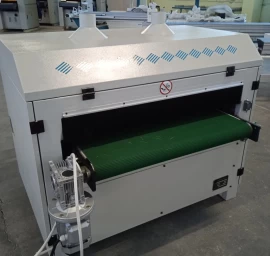
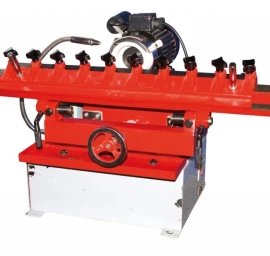
20-29- Šepetinės šlifavimo staklės WOODLAND MACHINERY (naujos)
UAB Medienos staklės
15 atsiliepimai
4130 €
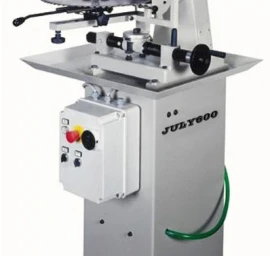
21-80- Diskinių pjūklų galandimo staklės RS WOOD-CMC (naujos)
UAB Medienos staklės
15 atsiliepimai
5464 €
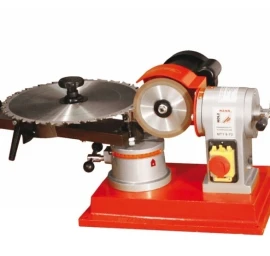
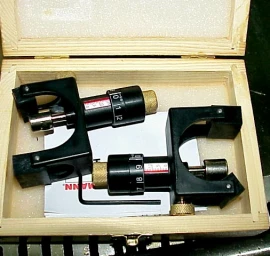
21-80-027 Diskinių pjūklų galandimo staklės HOLZMANN MTY 8-70
UAB Medienos staklės
15 atsiliepimai
1 €
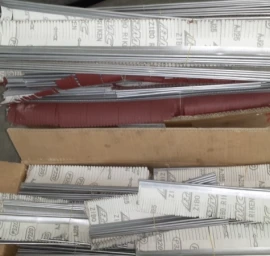
20-13-300/600 Šlifavimo popierius šepetinėms šlifavimo staklėms (naujas)
UAB Medienos staklės
15 atsiliepimai
25 €
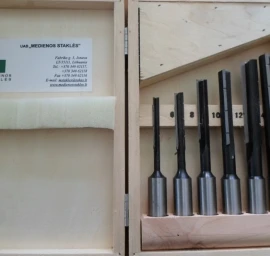
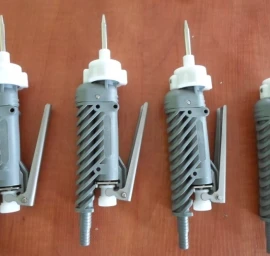
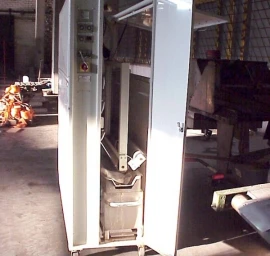
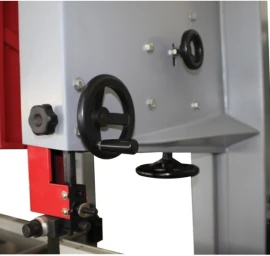
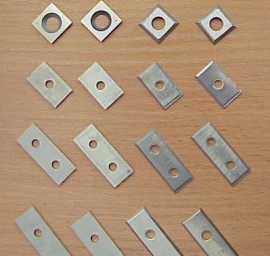
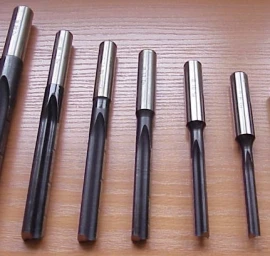
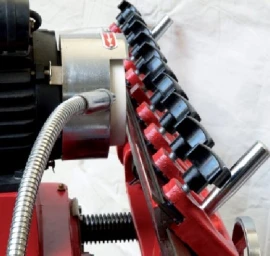
21-80-029 Galandimo staklės tiesiems peiliams HOLZMANN MS 7000
UAB Medienos staklės
15 atsiliepimai
1 €
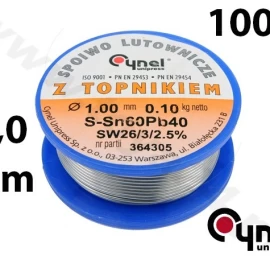
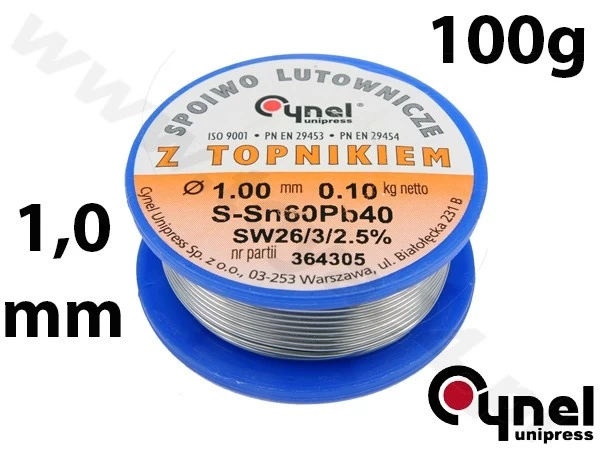
Lydmetalio viela Ø 1,00mm. 100g su fliusu (76810)
Cynel
11,19 €
Į parduotuvę Prekės aprašymas:
Mark. Toya. Symbol. 76810. Series. GRD. Application. electronics industry. Diameter. 1mm. Mass. 100 g. Alloy composition. Sn60Pb40. Character. soldering wire. Binder type. for soft soldering. Type of binder. leaded. Melting temperature. 190 C. Type of flux. F-SW26, halide, rosin, No Clean. Flux content. 2.5%. Number of flux cores. 3. Solder binder with flux produced in the first smelting of tin and lead in accordance with the PN EN 29453:2000 standard, in a continuous casting process without access to air, then extruded, which ensures the elimination of oxides.. The binder is 1.0 mm thick and weighs 100 g, with a tin content in the product ranging from 59.5% to 60.5% and a melting temperature ranging from 183C to 190C.. SW26 flux is made on the basis of rosin and an organic halogen activator, which after soldering becomes "stuck" in the rosin, so it does not have direct contact with the solder and does not cause corrosion, and also facilitates melting and increases the fluidity of the solder.. The soldering binder is mainly used in the electronics industry, for the production of standard electronic devices and components, and electrical engineering.. Purpose/application. The soldering binder is mainly used in the electronics industry, for the production of standard electronic devices and components, and electrical engineering.. Technical data. unit: PCS. diameter [mm]: 1. The binder cannot be used in equipment not covered by the exemptions from the restriction contained in Directive 2011/65/EU of the European Parliament and of the Council of 8 June 2011 on the restriction of the use of certain hazardous substances in electrical and electronic equipment (RoHS), as amended.